Crafting Perfect Custom Produce Boxes: A Progressive Walkthrough
Creating custom produce boxes requires a strategic method. Experts must evaluate sustainability, functionality, and visual appeal. Selecting the right substances is essential for maintaining freshness and supporting environmentally conscious methods. Furthermore, dimensions and shape can significantly impact ease of use and transport efficiency. Impactful graphics strengthen brand recognition, while thorough evaluation guarantees durability. Comprehending these components will reveal key insights into developing exceptional review container solutions that resonate with consumers. What follows next is critical to reaching those goals.
Choosing the Right Materials for Custom Produce Boxes
When evaluating materials for custom produce boxes, it is important to review both usefulness and eco-friendliness. The choice of material significantly influences the box's strength, weight, and capacity to shield the contents. Common materials feature corrugated cardboard, which offers strength and is recyclable, making it a favored choice for green-minded businesses. Compostable options, such as molded pulp or plant-based plastics, also promote sustainable practices while delivering appropriate protection for delicate produce.
Additionally, moisture protection is important for preserving product freshness, leading some suppliers to consider specially processed substances or specialized coatings. The visual character of the box must not be ignored, as brand messaging and design aesthetics can impact consumer perception. Ultimately, the suitable material should maintain equilibrium between preserving the goods, appealing to customers, and complying with sustainability guidelines, ensuring both functionality and sustainability are prioritized to the design process.
How to Find the Right Size and Shape for Functionality?
When choosing the size and shape of custom produce boxes, thorough evaluation of produce measurements is crucial for effective storage. Additionally, attention to movement and transportation can impact the box design, guaranteeing ease of movement. Optimizing shelf space usage further enhances functionality, enabling effective presentation and organization.
Examine Produce Dimensions Carefully
Selecting the right size and shape for produce boxes is essential for operational performance and effectiveness. Accurate assessment of produce dimensions is vital, as it guarantees that items fit securely without excess space that could result in damage during storage or transport. Tailored containers need to handle various shapes, from fragile fruits to bulky vegetables, while maintaining physical strength. Additionally, the dimensions of the boxes should facilitate proper arrangement and storage, maximizing space in warehouse facilities. A properly constructed container not only protects the produce but also improves visual appeal for consumers. Ultimately, thoughtful evaluation of dimensions helps achieve reducing waste and improving overall user experience in the distribution network.
Think About Managing Handling and Transport
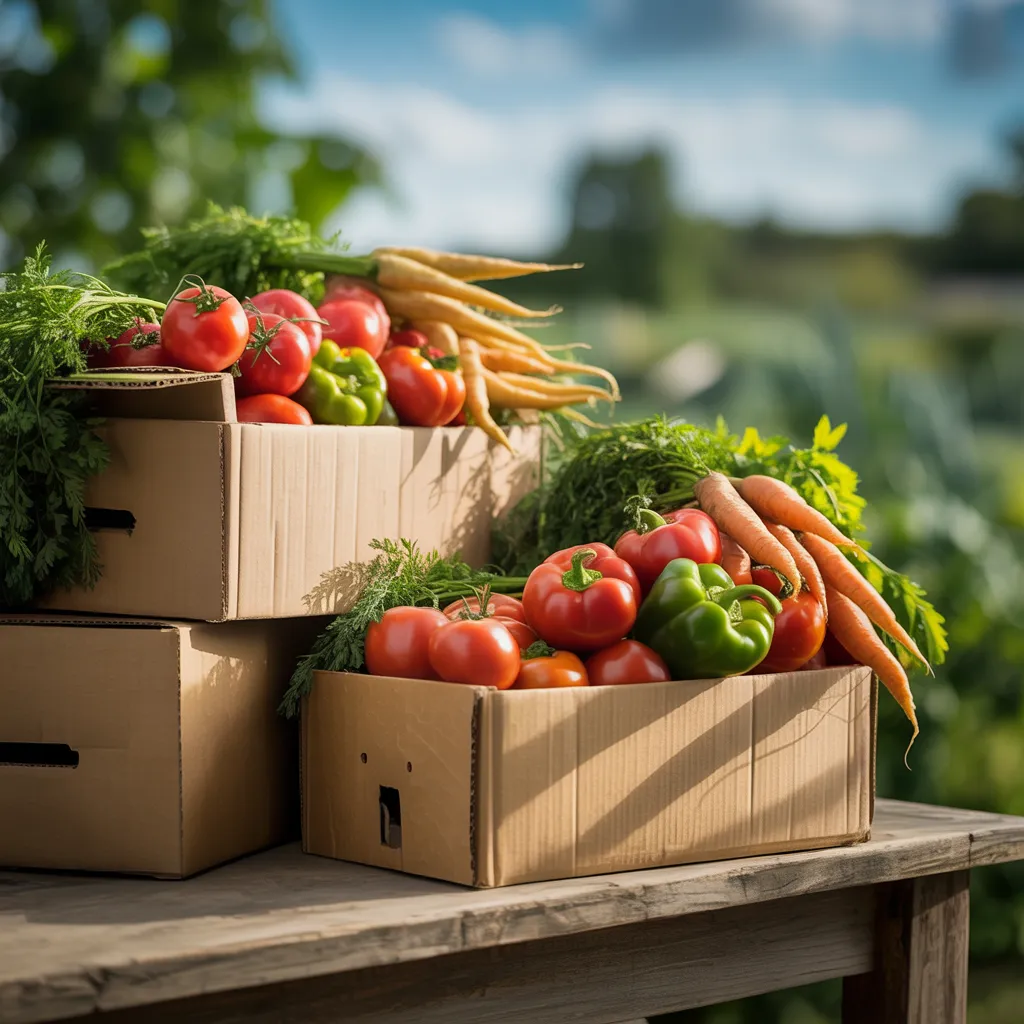
Shipping and handling factors play a important role in determining the proper dimensions and shape of specialized agricultural containers. The measurements must hold the goods without excessive room, which could lead to shifting and damage during transport. Compact boxes facilitate simpler management, while larger boxes may be necessary for bulkier products. Furthermore, proper design is essential; handles or openings should be deliberately positioned to allow for pleasant raising and transporting. The structure of the container also affects layering and stability, ensuring that products stay safe. In the end, careful consideration of such aspects enhances the productivity of delivery, cuts down goods waste, and upholds the general integrity of the fresh items from agricultural setting to end user.
Maximize Display Space Usage
Optimizing shelf space usage is contingent upon choosing the correct size and shape of specialized produce boxes. Planners should evaluate the dimensions of the storage systems as well as the categories of produce being arranged. Straight-edged boxes often enhance space efficiency, facilitating for more straightforward organization and positioning. In contrast, non-standard forms can heighten visual appeal but may cause unused space if not properly structured.
It's vital to examine the product rotation speed; fast-selling items might gain from compact, readily accessible boxes. In addition, utilizing adaptable or modular frameworks can facilitate multiple sizes of produce while enhancing display organization. By stressing practical design with visual appeal, enterprises can establish a functional and attractive display that strengthens both accessibility and visibility of goods.
How to Make Graphics That Draw Focus?
Engaging graphics can convert a simple custom produce box into a stunning display that captures attention. To achieve this, designers should start by selecting a color scheme that showcases the vitality and vibrancy of the produce. Vibrant, striking colors can evoke sensations of freshness and wellness, driving consumers to take a second glance.
Bold typography is also essential; clear and legible fonts can adeptly convey essential information while enhancing design value. Additionally, using excellent images of the produce can create an immediate connection, showcasing the product's quality and enticing potential buyers.
In addition, incorporating unique patterns or illustrations can help differentiate the brand in a saturated market. Consistency in visual aspects, such as logos and taglines, reinforces brand identity. Ultimately, a mixture of artistic vision and straightforwardness in graphic design can substantially improve the impact of custom produce boxes, making them stand out on shelves.
Sustainable Practices for Custom Produce Box Protective Covering
A surging count of businesses are taking up environmentally responsible standards for custom produce box packaging, appreciating its relevance in today's ecologically aware market. These practices often include the use of degradable materials, such as recycled paper and plant-based plastics, which minimize environmental impact. Companies are also focusing on conscientious sourcing, verifying that materials are obtained from responsibly managed forests or suppliers who prioritize environmental stewardship.
Also, many brands are choosing simple designs that reduce waste while still effectively showcasing their products. This strategy not only attracts eco-minded consumers but also assists with cutting production costs. Moreover, businesses are progressively implementing streamlined manufacturing processes that limit energy consumption and waste generation. By integrating these sustainable practices, companies not only improve their brand image but also contribute positively to the planet, aligning their operations with a sustainable future.
Validate Your Custom Produce Box Design
Assessing the structure of specialized fruit containers is a vital step in confirming they fulfill both visual and functional requirements. This method generally involves reviewing factors like durability, scale, and ease of use. First, prototypes need to be created to evaluate the container's build quality, ensuring it can withstand transportation and storage without compromising the items.
Afterwards, performance tests can be undertaken to ascertain how without difficulty the boxes can be opened, closed, and stacked. Feedback from likely users can be crucial in this juncture, presenting viewpoints into the box's practical application.
Additionally, the design's visual appeal should be examined through focus groups or surveys, assessing consumer reactions to brand design elements, colors, and total visual presentation.
In the end, rigorous testing enables designers to enhance the box, ensuring it not only appeals to customers but also adequately protects and showcases the produce within, striking the right equilibrium between form and function.
Showcasing Your Bespoke Produce Boxes Effectively
Successful marketing of personalized vegetable containers demands a strategic approach that emphasizes their unique features and benefits. Companies should concentrate on identifying their intended customers, such as local farms, grocery stores, or individual consumers. Leveraging social media platforms can amplify market visibility, showcasing the boxes' appearance and functionality through compelling visuals and storytelling.
Furthermore, working alongside local influencers or farmers can strengthen reputation and widen market presence. Presenting offers or price reductions during seasonal peaks can pull in new customers and stimulate customer loyalty.
In addition, stressing eco-conscious values and sustainable practices in marketing materials can attract environmentally conscious consumers. Sharing comprehensive information about the materials used and the benefits of custom packaging can additionally differentiate the goods in a competitive market.
In the end, a extensive promotional approach that merges digital and grassroots undertakings will effectively promote custom produce boxes, engaging a diverse clientele and driving sales.
Popular Questions Posed Often
What Are the Expenses Connected With Custom Produce Box Design?
Costs regarding custom produce box design feature materials, print production, labor, and shipping. Also, design consultation and order thresholds can modify overall expenses, creating varying prices based on individual specifications and production size.
What Period Is Involved to Produce Custom Boxes?
The manufacturing of personalized packaging typically takes between two to six weeks. Elements influencing this schedule consist of design complexity, materials availability, and manufacturing capacity, all of which may impact delivery schedules and turnaround periods.
Can I Purchase a Compact Shipment of Custom Produce Boxes?
Yes, small amounts of custom produce boxes can typically be ordered. Many distributors provide base purchase minimums, permitting businesses or individuals to obtain tailored packaging options without having to commit to large volumes at the start.
Which Common Missteps Should Be Avoided in Custom Box Development?
Common pitfalls in custom box creation include neglecting functionality, ignoring brand consistency, underestimating material quality, failing to consider target audience preferences, and overlooking environmental impact. Each aspect is critical for quality packaging and customer satisfaction.
How Do I Verify My Boxes Are Food-Compliant?
To guarantee boxes are food-safe, one must choose materials certified for food contact, prevent harmful inks and adhesives, keep cleanliness during production, and regularly test for compliance with health regulations and safety standards.